
Interested in hiring a Whistler home builder? Learn rules, climate limits, project costs, currency tactics, and remote tracking tips for your new retreat.
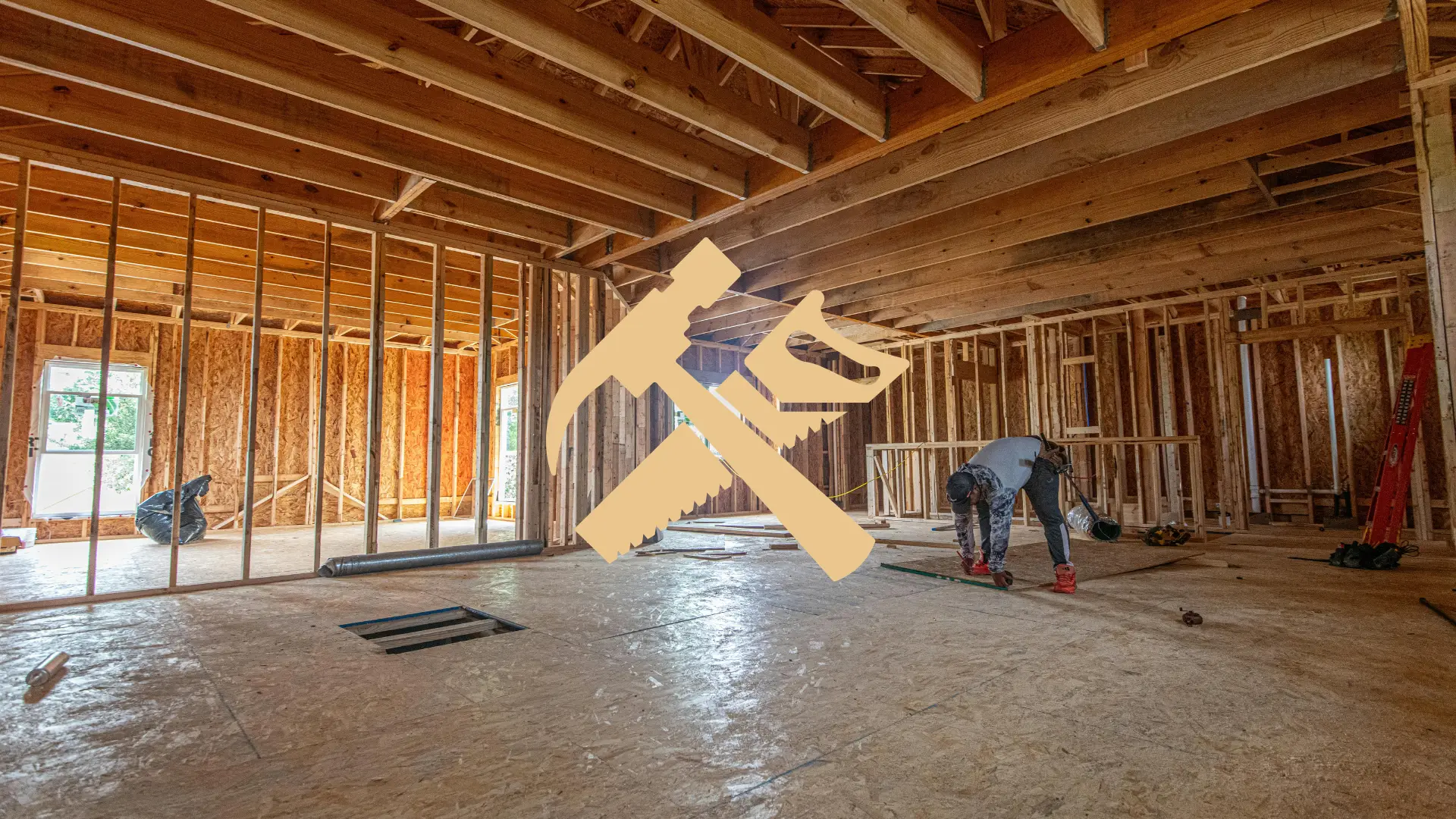
Building a custom mountain home in Whistler offers Americans a rare chance to own a property in one of North America’s most sought-after resort communities. But hiring a Whistler home builder isn’t the same as working with a contractor in Colorado, California, or Vermont. You’ll face different building codes, permit processes, climate requirements, and financial logistics that don’t exist south of the border.
The good news? With proper preparation and local expertise, American buyers successfully complete custom builds in Whistler every year. This guide walks you through what you need to know before signing a contract with a Whistler home builder.
Table of Contents
Understanding Whistler’s Building Landscape
Whistler operates in a constrained environment. Mountains, protected wilderness, and strict development regulations limit what’s available for construction. Every buildable lot represents a rare opportunity in a market where geographic constraints severely limit developable acreage.
This scarcity drives both property values and the need for local knowledge. Environmental constraints—including avalanche zones, wildlife corridors, and watershed protection—can limit where and what you can build. Municipal policies restrict density and impose height restrictions that affect cabin design.
Climate plays a central role in every construction decision. Whistler receives 11-12 metres of snow annually, creating extreme stress on roofs and requiring specialized engineering. Your builder must understand how to design for these conditions, not just meet minimum code requirements.
Why Hiring a Whistler Home Builder Is Different From the U.S.
The 2024 BC Building Code introduced significant changes that took effect in March 2024, with additional requirements coming in March 2025. Enhanced seismic design requirements now apply to all new buildings in British Columbia, along with zero carbon standards that require systems to track and report greenhouse gas emissions.
But Whistler goes further. Due to extreme snow loads, all buildings—even small residential structures—must be designed by a licensed Professional Engineer to Part 4 of the BC Building Code. This requirement alone adds complexity and cost that many American buyers don’t anticipate.
Timeline expectations also differ. Permitting takes 2–4 months, and construction spans 12 to 14 months for most custom cabins. Winter weather can halt work, extending schedules beyond what you’d experience in milder U.S. climates.
Permits and Regulations
Before your Whistler home builder can break ground, you’ll navigate multiple approval layers. Title searches must identify registered covenants, easements, and statutory rights-of-way that can significantly impact development potential. Environmental site assessments examine avalanche risks, wildlife habitat designations, and watershed protection requirements.
Zoning determines what you can build and how you can use it. If you plan to operate short-term rentals, your property must be zoned for tourist accommodation. Residential zoning prohibits vacation rentals entirely. Verify zoning before purchasing—changing designations is difficult and uncertain.
Operating a vacation rental after construction requires a business license. You must display your license number in all listings or face fines up to $3,000 daily. All vacation rentals must also register under BC’s mandatory short-term rental registry.
Impact of Whistler’s Climate
Snow load capacity requirements in Whistler can range from 3.0 kPa up to 5.0 kPa or more, depending on altitude and microclimate conditions. The ground snow load formula for buildings at elevations between 600-1000 metres is Ss (50-year, kPa) = 0.0143 × z, where z equals Mean Sea Level Elevation in metres.
Your Whistler home builder must design roofs and attics to handle heavy snow loads and prevent ice dams. Well-sealed and insulated attics create cool roofs that resist ice buildup during winter. Average winter temperatures hover around -3 to -5°C, with frequent freeze-thaw cycles that create challenging conditions.
Seasonal construction windows matter. Winter storms can bring 30+ significant snowfall or ice events annually, halting work and extending timelines. Smart builders plan critical phases during favorable weather windows and build flexibility into schedules.
Financial Logistics for American Buyers
Construction costs for custom cabins in Whistler average $400–$600 per square foot, not including land. A 3,000 square foot cabin costs $1,200,000 to $1,800,000 to build. Vacant lots currently range from $1.3 million to over $5 million, with steep or view lots often costing more due to foundation and access requirements.
American buyers should budget for Property Transfer Tax (provincial), Goods and Services Tax on new builds, and annual ownership costs including property taxes, insurance, and maintenance. Foreign buyers also face additional considerations, including the federal Underused Housing Tax and BC’s Speculation and Vacancy Tax, which can add 2% to 3% of assessed value annually if your property sits empty.
Non-resident owners must report Canadian rental income. The CRA requires 25% withholding tax on gross rental income for non-residents.
Cross-Border Transactions
Currency fluctuations can significantly impact your project budget. Even small currency moves can change real estate costs materially. Many banks and financial institutions charge a markup above the mid-market exchange rate to convert USD into CAD—this can be as much as 3% of the transaction.
Canadian banks do lend to non-residents, but requirements differ. Expect higher down payments (typically 35%+), proof of income and credit history from your home country, and in some cases, cross-border banking services that make approvals easier for U.S. buyers.
When buying taxable Canadian property from a non-resident seller, buyers have an obligation to withhold 25% of the purchase price unless a clearance certificate is obtained.
Finding the Right Team
Successful projects rely on a coordinated Whistler home builder. Surveyors confirm boundaries and identify physical constraints. Planners navigate municipal approval processes. Legal counsel structures purchases to minimize risks and optimize tax treatment.
Your architect translates your vision into buildable plans while ensuring code compliance. Select a builder with a strong local reputation and verifiable references. Construction in Whistler presents challenges—weather delays, material transport to remote sites, and coordination with municipal inspectors—that require experience.
Andrew King brings over two decades of experience and $1.5 billion in successful transactions to help you find suitable land and connect you with professionals needed for the next stages—architects, builders, and property managers.
Licensing and Credentials
All residential builders in British Columbia need to meet BC Housing’s licensing requirements. Even in areas where building permits aren’t required, builders must be licensed to carry out work and arrange for home warranty insurance before starting construction.
Licensed residential builders must demonstrate proficiency in seven core competency areas, including relevant enactments (building code), construction management and supervision, construction technology, customer service and home warranty insurance, financial planning and budget management, legal issues, and business planning and administration.
Verify that your builder maintains current licensing and meets Continuing Professional Development requirements. This isn’t just bureaucracy—it protects you from liability and ensures your builder stays current with evolving codes and standards.
Working With a Whistler Home Builder From Abroad
Most of the transaction can be handled remotely with a Canadian lawyer. Our team specializes in assisting American and international buyers through every step, including virtual tours and video walkthroughs, remote negotiation and digital contract handling, and assistance with property management and rental setup.
Modern project management tools make remote oversight practical. Software like Procore, Autodesk Construction Cloud, and Buildertrend provide real-time updates, document sharing, and collaborative decision-making. Virtual construction walkthroughs create fully immersive digital environments that replicate real-world construction sites.
Construction firms using virtual walkthroughs complete projects 23% faster than those relying on traditional methods. These tools enable quality control, progress monitoring, and stakeholder communication without requiring constant physical site visits.
Setting Realistic Timelines
Plan on multi-year horizons. Timeline planning typically spans 3–6 months from initial land search to closing, covering identification, due diligence, financing, and legal completion. Add 2–4 months for permitting and 12–24 months for construction, with potential weather-related extensions.
Patience pays off. Rushing through due diligence or cutting corners on planning creates expensive problems later. The buyers who succeed in Whistler are those who respect the process and work with—not against—local requirements and conditions.
Your Path to a Successful Build
Hiring a Whistler home builder requires more preparation than a typical U.S. project. You’ll navigate different codes, permits, climate requirements, and financial logistics. But with the right team and realistic expectations, American buyers complete successful custom builds in Whistler every year.
Start by clarifying your goals and budget. Do rigorous due diligence on land, zoning, and environmental constraints. Engage a local team that includes a licensed builder, experienced architect, and professionals who understand Whistler’s regulatory environment. Plan for Whistler-specific costs and climate requirements. And leverage systems for remote collaboration and project management. Having a local expert on the ground is invaluable. We handle everything from virtual showings and remote negotiations to navigating zoning regulations and connecting you with trusted property management services. Contact Andrew King to explore land options, secure financing, and connect with top local builders who can turn your Whistler vision into reality.