
Understand how Whistler town homes are affected by local policies, permits, and bylaws. Gain clear tips to protect value, earn income, and plan smart upgrades.
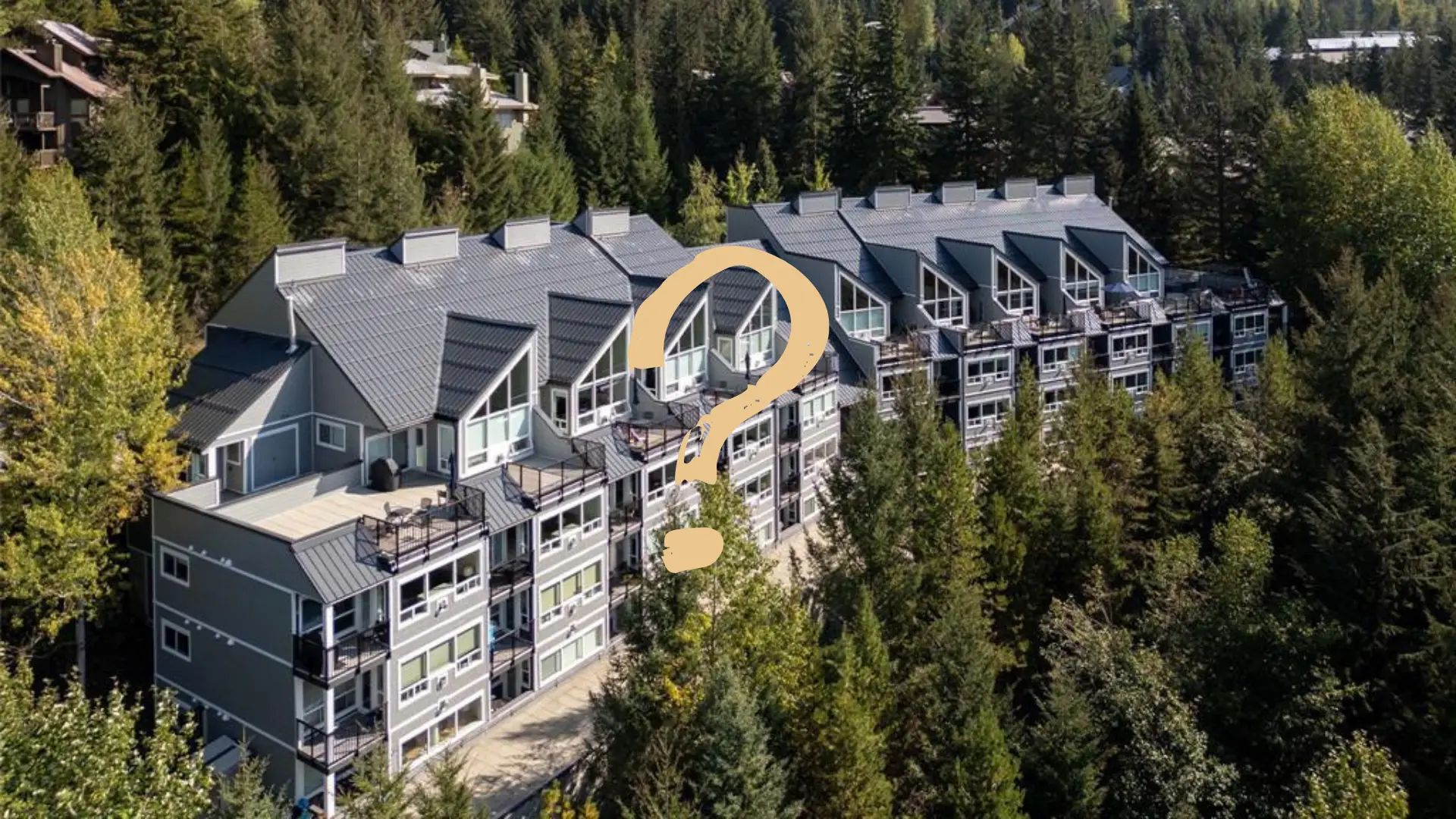
Owning a town home in Whistler means stepping into a market where rules matter as much as location. The regulations that govern your town home—from zoning designations to rental permissions to strata bylaws—directly shape what you can do with your investment and how much income it can generate. Get these details right and you set yourself up for steady returns and flexible use. Miss them and you risk fines, lost revenue, or discovering too late that your plans aren’t allowed. This guide walks you through the rental, zoning, and usage rules that define ownership in this mountain resort community.
Table of Contents
What Makes Whistler Town Homes Unique
Whistler town homes sit at the intersection of lifestyle and investment. These properties typically offer 2–4 bedrooms across multiple levels, giving families and groups the space they need without the maintenance demands of a detached house. You get proximity to ski lifts, hiking trails, and village amenities, all within a community that draws visitors year-round.
The market for these properties remains tight. In Q3 2025, 35 townhome sales closed with a median price of $1.75 million, up 8% from the previous quarter. Inventory dropped 10% during the same period, signaling that demand continues to outpace supply. Properties averaged 50 days on market, and quality listings still move quickly despite broader economic headwinds.
But appreciation potential alone doesn’t tell the full story. The rules attached to your property—what you can rent, how you can use it, and what your strata allows—determine whether your town home functions as a vacation retreat, a revenue generator, or a full-time residence.
How Local Regulations Affect Whistler Town Homes
Municipal policies in Whistler control density, building use, and rental operations. These aren’t suggestions. They’re legal requirements enforced through zoning bylaws, business licensing, and covenant restrictions. Understanding them protects your investment and keeps you compliant.
Recent provincial housing legislation required Whistler to adopt zoning changes by June 30, 2024, allowing three to four dwelling units on approximately 3,035 residential parcels. This shift affects how properties can be developed or redeveloped, and it may influence future supply dynamics in the townhome segment.
Working with professionals who know these rules saves time and money. At Whistler Spaces, we help owners and buyers identify which Whistler town homes align with their goals—whether that’s nightly rental income, long-term tenants, or personal use—so you make decisions with full clarity.
Understanding Whistler’s Zoning Categories
Zoning determines what you can build and how Whistler town homes are utilized. The most relevant categories for town homes include:
- RT zones (townhouse areas): Designated specifically for townhouse developments, with rules governing density, height, and setbacks.
- RS1 (single-family): Typically allows one main house plus an auxiliary unit, with specific floor area ratio caps.
- TA (tourist accommodation): Properties zoned for short-term rentals, which can operate as nightly vacation rentals with proper licensing.
Many residential zones prohibit short-term rentals entirely. Before you buy, verify that your town home’s zoning matches your intended use. As we explain in our guide to Whistler cottage economics, nightly rentals are only allowed where zoning permits tourist accommodation.
Key Rental Permissions and Restrictions
Rental income potential depends on what your zoning and covenants allow. The two main frameworks are Phase 1 and Phase 2:
Phase 1 properties offer flexible use. Owners can occupy the property year-round, rent it nightly or monthly, and choose their own property manager. Most townhomes in Whistler Village, Benchlands, and Creekside fall into this category. As we outline on our Whistler real estate page, Phase 1 zoning allows for Airbnb or other third-party rental managers for nightly or monthly rentals, and owners can stay there for a week or live there full-time with the ability to rent when they want.
Phase 2 properties restrict personal use to 56 days per year—28 in summer and 28 in winter. When not occupied by the owner, the property must remain in a rental pool. These units, often found in hotel complexes, maximize rental income but limit lifestyle flexibility. Our property management guide explains why you need managers who understand Phase 2 covenant restrictions.
Even if your zoning permits short-term rentals, you must comply with licensing requirements. Since 2017, Whistler has required business licenses for tourist accommodation, costing $250 annually. As of May 1, 2024, all hosts must display a valid business license number on listings. By May 1, 2025, provincial registration is mandatory, adding another $600 per year to your compliance costs.
Operating without proper licensing can result in fines up to $500 per day. Our vacation homes guide details how Whistler’s municipal bylaws govern short-term rental operations with specific zoning requirements and permit processes.
Long-term rentals follow different rules. Residential zoning allows monthly tenancy with a minimum of 30 days, in compliance with the Residential Tenancy Act. Anything less than 30 days requires tourist accommodation zoning.
Insights into Strata Bylaws
Strata corporations add another layer of rules on top of municipal zoning. Even if Whistler town homes are zoned for nightly rentals, your strata bylaws may restrict or prohibit them entirely. Some buildings limit rentals to minimum 30-day stays, which directly affects income potential.
As strata lot owners, you must pay regular strata fees, maintain your unit, and use the property in accordance with bylaws. Strata councils can make rules at any time as long as they provide written notice to owners and tenants. Bylaws can be amended with a ¾ vote at general meetings.
Before you buy, review the strata’s bylaws, meeting minutes, and depreciation report. Our house-buying guide emphasizes that strata bylaws may restrict short-term rentals, and municipal regulations require proper licensing and tax collection.
If you’re considering a property under the Whistler Housing Authority, the rules are even stricter. WHA town homes must be your primary residence. You can’t use them as vacation homes or rental properties. Our WHA resale guide explains that these properties come with covenants on title that control who can own them, how they can be used, and how much they can sell for.
Maximizing Your Town Home’s Potential
Once you understand the rules, you can make strategic decisions to optimize your property’s value and usability.
Renovations require building permits for construction, alteration, or demolition. The Resort Municipality of Whistler processes around 500 permit applications annually, with smaller projects taking a few weeks and larger renovations typically requiring at least six months for approval. Your permit application must include detailed construction plans, engineering layouts, and site plans showing compliance with zoning regulations.
For rental properties, presentation matters. High-quality photos, accurate descriptions, and competitive pricing help you stand out on listing platforms. If you’re managing short-term rentals, professional property management can handle guest communication, cleaning, and maintenance while keeping you compliant with licensing and safety standards.
Market conditions favour owners who position their properties correctly. With 86% of 2025 buyers coming from British Columbia and another 8% from the United States, demand remains strong among domestic and international buyers.
Moving Forward Confidently
Regulations in Whistler evolve. Provincial housing legislation, municipal zoning amendments, and strata bylaw changes all affect how you can use and profit from your town home. Staying informed protects your investment and keeps you ahead of compliance deadlines.
At Whistler Spaces, we help owners and buyers make sense of the overlapping layers of zoning, covenants, strata bylaws, and municipal regulations. Andrew King and his team bring over two decades of experience and $1.5 billion in successful transactions to every client relationship. We can clarify which properties align with your goals, explain how rental restrictions work, and guide you through the regulatory requirements from day one.
Owning these Whistler town homes offer lifestyle flexibility, rental income potential, and long-term appreciation—when you understand the rules that govern them. Contact us to explore how we can help you make confident, informed decisions in this market.