
See how vacation homes in Whistler BC perform as getaways and assets. Compare lifestyle perks, rental income, tax points, and management steps before you buy.
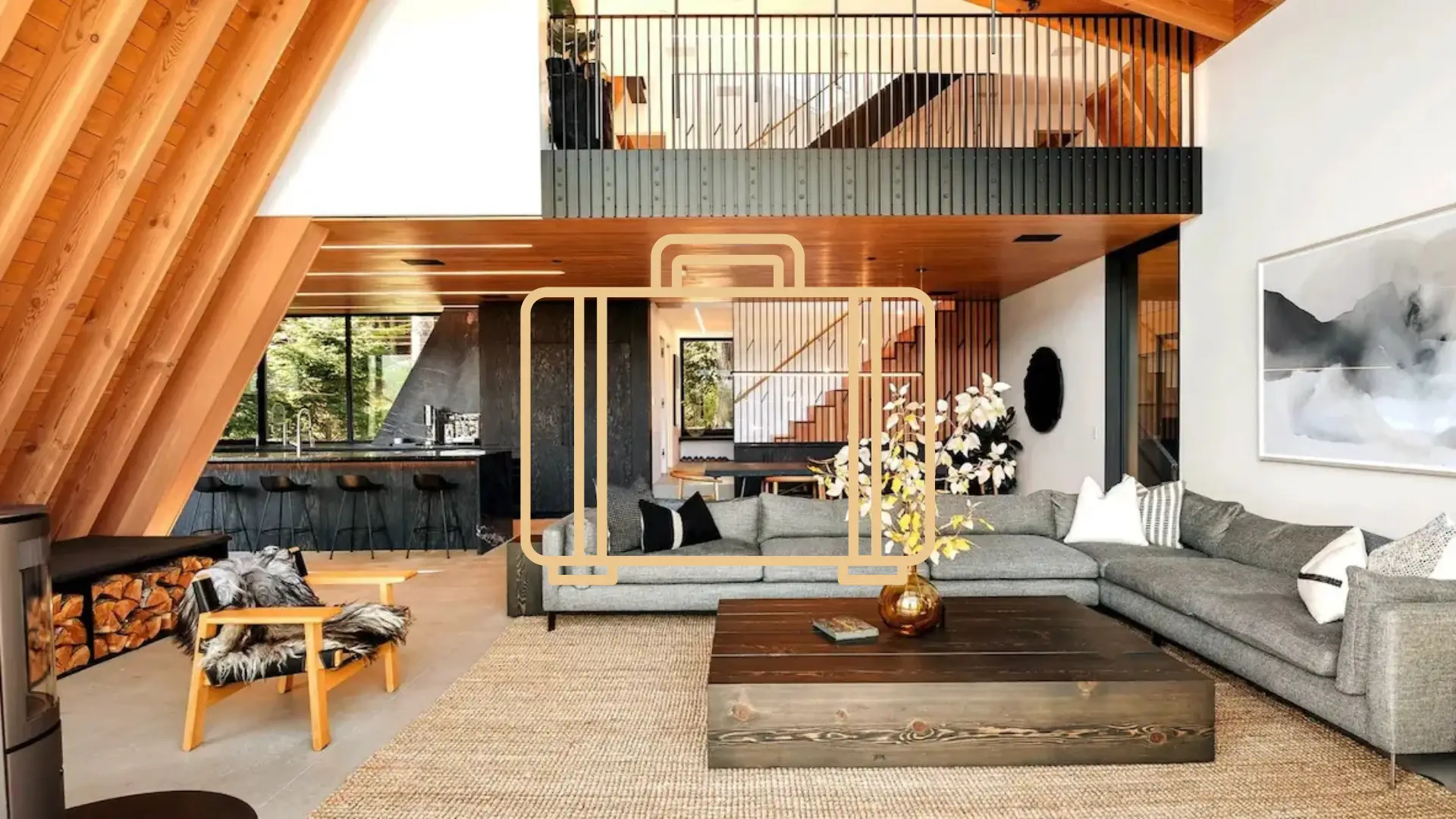
Buying a Whistler vacation home raises big questions: How often will you use it? Can you rent it? What are the true costs and tax implications? Vacation homes in Whistler BC can be a personal retreat, an investment, or a mix of both. Your best approach depends on your usage, management, and long-term plans. This guide covers what you need to know to make a clear-eyed decision.
Table of Contents
Why Whistler Appeals to Both Lifestyle Buyers and Investors
Whistler attracts roughly 3 million visitors a year, split evenly between winter and summer. Investors love this consistent demand, while lifestyle buyers love the amenities.
Whistler Blackcomb offers 8,171 acres of terrain, while summer brings biking, hiking, and watersports. Located just two hours from Vancouver, the village features over 200 restaurants, shops, and festivals.
From an investment perspective, limited land supply keeps inventory tight, drawing Vancouver families, remote workers, and international investors alike. Ultimately, the right property depends on your specific goals.
Vacation Homes in Whistler BC: Personal Retreat, Investment, or Both?
Before viewing listings, define your primary objective: personal use, rental income, or a hybrid. Your goal dictates your property type, location, and management strategy. Be realistic about your visit frequency to properly plan your tax position and management needs.
When Personal Enjoyment Comes First
Buying for a reliable mountain base provides immense convenience—your own gear storage and no booking required. However, be aware that peak personal times (holidays, summer) overlap with peak rental revenue. Lifestyle buyers looking at vacation homes in Whistler BC should prioritize a property that fits long-term family needs over maximum income.
When Rental Performance Comes First
Investors must think like operators. A ski-in/ski-out townhome near the village outperforms quiet residential spots for rentals. Focus on net income, not gross revenue. Realistic net projections must factor in management fees, strata, taxes, and maintenance to reveal true returns.
When a Hybrid Strategy Makes Sense
A hybrid approach—enjoying personal time while renting the rest—can offset ownership costs. Success requires blocking your personal dates early and utilizing professional management to handle the daily operations of vacation homes in Whistler BC.
Personal Use: The Lifestyle Value That Does Not Show on a Spreadsheet
Having a property ready year-round builds invaluable family traditions. With four distinct seasons, a Whistler home earns its keep through skiing, biking, and festivals. Ensure ownership actually makes financial sense compared to simply booking hotels for regular visits.
Location Choices for Lifestyle Buyers
Where you buy shapes your experience. For those comparing vacation homes in Whistler BC, Whistler Village North offers central convenience; Creekside provides a quieter vibe; and Alpine Meadows features forested lots. Bayshores suits summer lake lovers, while Function Junction offers entry-level pricing.
Property Features That Matter for Personal Retreats
Consider how you’ll live in the space. Features like extensive gear storage, mudrooms, hot tubs, and large kitchens matter more here than in city condos. For personal use, prioritize comfort and practicality, even if these features also boost rental appeal.
Rental Income: What to Consider Before Counting on Revenue
Whistler enjoys strong rental demand, but results vary. Airbtics data notes an average host income of CA$79,000, though actual nets differ. For instance, a two-bedroom townhome at Painted Cliff grossing $100,000 might net $60,643 after expenses, while a condo grossing $75,981 nets around $39,245. Strong returns require the right property and management.
Peak Seasons and Owner Blackout Dates
February is the strongest rental month; October is the softest. Holidays and peak summer weeks command premium rates. If you block these for personal use, your annual revenue drops. Understanding seasonality helps you plan personal visits during lower-demand times.
Short-Term Rental Rules, Zoning, and Strata Bylaws
Not all properties allow nightly rentals. They require tourist accommodation zoning, and strata bylaws can still restrict them. All operators must also join the BC Short-Term Rental Registry. Phase 1 properties offer unlimited owner use and nightly rentals, while Phase 2 properties cap owner use at 56 days annually. Verify covenants before making an offer on vacation homes in Whistler BC.
Gross Income Versus Net Return
Operating costs are significant. Factor in strata fees ($7k–$12k), property taxes ($3.7k–$5.4k), Tourism Whistler fees, insurance, and ~25% management fees. Always run the net numbers to accurately evaluate an investment’s bottom line.
Tax Considerations for Whistler Vacation Home Owners
Vacation property taxes are complex; consult a Canadian tax advisor. For owners of vacation homes in Whistler BC, rental income is taxable, but eligible expenses (mortgage interest, property taxes, management) are deductible. Once rental income hits $30,000 annually, you must collect GST/HST. You’re also responsible for remitting PST (8%) and MRDT (3%).
Personal Use Can Affect Tax Treatment
The CRA treats vacation homes as investment assets subject to capital gains tax upon sale. Transitioning a property from personal use to rental can trigger a deemed disposition at fair market value. Keep meticulous records of rental versus personal days to support deductions.
Non-Resident and International Buyer Considerations
Non-residents can buy freely in Whistler, but face unique tax obligations, like a 25% withholding tax on gross rents (reducible via an NR6 form). Upon sale, the CRA can withhold up to 25% of the sale price without a Section 116 Certificate. Whistler Spaces supports international buyers through these cross-border complexities.
Management: The Difference Between Passive Ownership and a Second Job
Running a rental involves dynamic pricing, cleaning, maintenance, and guest communication. For non-locals, professional help is usually essential.
Self-Management: More Control, More Responsibility
Self-managing saves the 25% management fee but requires 24/7 availability for guest issues, dynamic pricing, and rapid turnovers. This is rarely viable for out-of-town owners.
Professional Management: Convenience at a Cost
A manager handles listings, dynamic pricing, and maintenance for roughly 25% of gross revenue. However, professional management often outperforms self-management in occupancy and rates, largely offsetting the fee and making hybrid ownership seamless.
Maintenance Planning for Mountain Properties
Whistler’s climate accelerates wear. Budget 1–2% of the property’s value annually for maintenance, including hot tubs, roofs, and snow removal. Well-maintained vacation homes in Whistler BC earn better reviews and retain their value.
Long-Term Upside: Beyond Annual Cash Flow
Whistler property values have soared, with five-year appreciation approaching 33% recently. Limited land and global demand provide strong fundamentals for long-term growth.
Market Resilience and Scarcity
Valley geography limits new builds, supporting long-term value and keeping prices relatively stable. However, scarcity doesn’t eliminate risks related to carrying costs, interest rates, and regulatory changes.
Exit Strategy: Selling, Holding, or Passing It On
Plan your exit strategy early. Consider future resale appeal, like ski-in access, or ensure the layout will suit your long-term retirement plans. Factor in estate planning if passing the property down to family.
How to Decide Which Whistler Property Strategy Fits You
Align your property choice with your lifestyle and financial priorities. The best choice balances your personal goals, net income needs, and holding strategy.
Questions to Ask Before You Buy
Realistically assess your usage, zoning permissions, actual operating costs, management plans, and financial buffer if revenue dips. Answering these honestly prevents costly surprises later.
Where Local Expertise Adds Value
Local nuances—like Phase 1 vs. Phase 2 covenants and specific strata bylaws—require expert guidance. Andrew King at Whistler Spaces has over 20 years of real estate experience. Check out his Whistler real estate overview to cut through the complexity.
Your Whistler Ownership Decision Starts with the Right Plan
Vacation homes in Whistler BC offer versatile benefits, provided you clarify your goals, understand the regulations, and select the right management approach. If you’re ready to find the perfect strategy and property, Andrew King and the Whistler Spaces team can help you get started.