
Compare purchase costs, rental income, upkeep, rules, financing, and resale to see if a Whistler condo or detached home fits your budget and long-term goals.
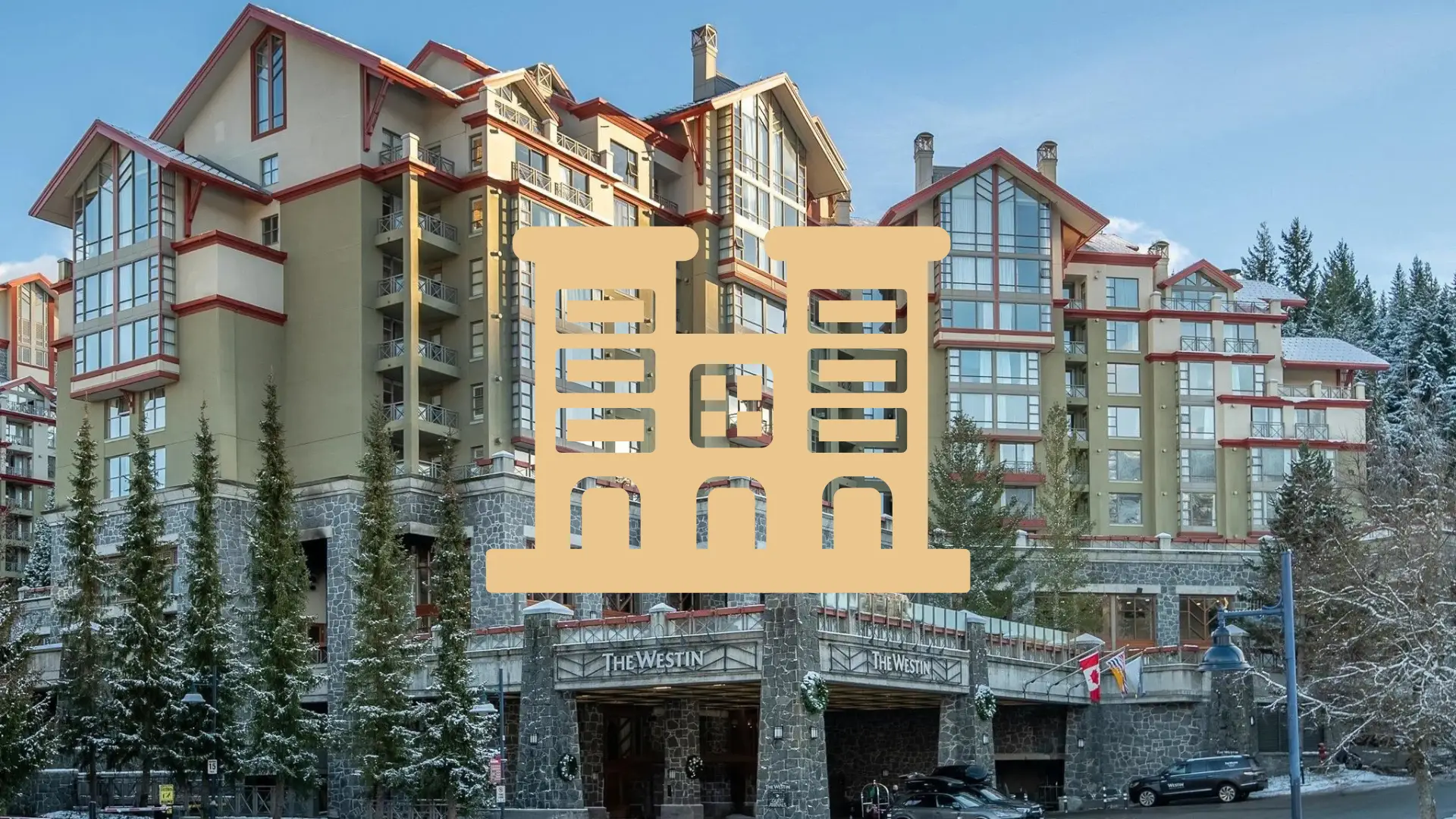
Two buyers are looking at the same Whistler market right now. One wants a low-maintenance Whistler condo they can rent out most of the year and visit occasionally. The other wants space, privacy, and a place the family can grow into. Both are making smart moves, but they need completely different properties. The Whistler condo versus house question doesn’t have a single right answer. It comes down to your budget, rental goals, how much you’ll actually use the place, your financing situation, your appetite for maintenance, and what you want in ten years.
Table of Contents
Start With Your Investment Goal
Before comparing square footage or strata fees for your future Whistler condo or house, get clear on what you want the property to do. Are you after seasonal rental income, a personal vacation base, long-term capital growth, a future retirement home, or some mix of all four? The answer shapes everything else.
Buyers across Whistler, Squamish, and Pemberton regularly weigh lifestyle value against financial performance, and the balance looks different for everyone. At Whistler Spaces, Andrew King works with buyers to pin down these priorities before narrowing the property search, because the wrong property type for your goals is a costly mistake to fix.
Cash Flow, Lifestyle Use, or Long-Term Appreciation?
Rental-focused buyers tend to prioritise ease of management, strong occupancy, and predictable costs. Lifestyle buyers often care more about space, privacy, ski access, and how the property feels to live in. Long-term investors may look past both of those and focus on land scarcity, redevelopment potential, and what the market will look like in fifteen years. Knowing which of these drives your decision makes the Whistler condo versus house comparison much easier to work through.
When a Whistler Condo Makes the Stronger Investment
A Whistler condo is typically the more accessible entry point. Prices generally range from $520,000 to $1.5 million, compared with detached homes that often exceed $2 million. That lower capital requirement matters, especially for buyers diversifying a portfolio or entering the Whistler market for the first time.
A Whistler condo in a resort-facing building often comes with amenities that vacation renters actively seek: ski storage, hot tubs, pools, parking, and sometimes front-desk services. Ski-in/ski-out units command 15 to 30% more than comparable non-ski-access units and tend to hold strong occupancy. A well-positioned two-bedroom Whistler condo can generate $80,000 to $100,000 in gross annual rental income, netting $50,000 to $65,000 after expenses.
Lower Maintenance and Easier Ownership
Exterior maintenance, landscaping, snow clearing, and shared building systems are handled through the strata corporation. For Whistler condo buyers who live outside Whistler or outside Canada, that structure removes a lot of operational headaches. You still pay for it through monthly strata fees, which typically run $400 to $800 per month in Whistler, and you need to review strata documents carefully before buying. Low fees can signal an underfunded reserve, and special assessments can reach $80,000 or more. But for the right buyer, the trade-off is worth it.
Rental Appeal in a Resort Market
Whistler draws visitors year-round, and many of them prefer central, amenity-rich accommodation. But rental potential is not automatic. You need to confirm that the property’s zoning permits short-term rentals, that the strata bylaws don’t restrict nightly stays, and that any rental covenants or management agreements are clearly understood. Phase 1 properties allow owners to rent nightly or monthly and use the property themselves as much as they like. Phase 2 properties restrict personal use to 56 days per year. Many residential zones prohibit short-term rentals entirely. Check before you buy, not after.
When a Detached House May Be the Better Long-Term Play
Detached homes and chalets in Whistler command premium prices but offer the strongest appreciation potential. They sit on larger lots, often with mountain views and privacy that attract high-paying renters and support long-term capital growth. With limited developable land and strict zoning in Whistler, well-located houses tend to hold and grow their value over time.
For buyers who want a legacy property, a future primary residence, or a place that works for a multigenerational family, a detached home often makes more sense than a Whistler condo, regardless of the higher entry price.
More Control, More Responsibility
With a house, you make all the decisions. No strata board, no bylaws restricting how you use the space. But you also carry all the costs directly. Roof repairs, snow removal contracts, exterior maintenance, heating, insurance, and property management all come out of your pocket. Mountain properties need thorough inspection, and ongoing upkeep in a high-snowfall environment is not trivial. Operating a detached Whistler home as a vacation rental also requires compliance with zoning, business licences, and provincial registration, with fines up to $3,000 per day for non-compliance.
Space and Flexibility for Future Needs
A house gives you room to adapt. Space for gear, guests, a home office, pets, or a growing family. If your plans might shift from occasional vacation use to full-time living, or if you want the option to renovate over time, a detached home offers flexibility that a Whistler condo simply can’t match.
Key Cost Differences Buyers Should Compare
Purchase price is just the start. Factor in property transfer tax, mortgage costs, insurance, utilities, furnishing, vacancy periods, and ongoing management. The total annual carrying cost is what determines whether the investment actually works.
Strata Fees Versus Direct Maintenance Costs
Strata fees are not simply an extra expense on top of everything else. They fund shared maintenance, building insurance, and reserve contributions. House owners don’t pay strata fees, but they budget directly for the same categories, often in larger and less predictable amounts. Neither structure is inherently cheaper. You need to model both against your specific property and usage plan.
Financing and Insurance Considerations
Resort property financing works differently from standard residential mortgages. If you plan to rent, some lenders require down payments as high as 30%, and non-residents typically need 35% down. Strata documentation, building condition, and rental use can all affect what a lender will offer and what an insurer will cover. Talk to a mortgage broker and insurance professional early, before you’re deep into a deal.
Rental Rules, Zoning, and Strata Bylaws Matter
Whistler’s short-term rental framework operates across three layers: municipal zoning, provincial rules, and strata bylaws. All three can apply at once, and the strictest one wins. Assuming a property can be rented nightly because a neighbour does it is not due diligence. Confirm zoning, check for registered covenants, read the strata bylaws, and understand any management pool requirements before removing conditions. Common pitfalls include buying in zones that prohibit short-term rentals or missing strata restrictions that limit rentals to 30-day minimums.
Why Due Diligence Is Essential
Review strata minutes, depreciation reports, and contingency reserve fund balances. Confirm the rental history where it’s available. Get zoning confirmation in writing. BC now requires depreciation reports every five years for strata corporations, which gives buyers better visibility into upcoming costs. Local guidance matters here. A Whistler-specific agent can flag issues that a general property search won’t surface.
Resale Value and Buyer Demand
A Whistler condo attracts a broader buyer pool: vacation property seekers, first-time resort investors, and buyers who want convenience over space. Detached homes appeal to a smaller but often more committed audience, including families, luxury buyers, and long-term residents. Location, condition, views, rental permissions, and pricing all shape resale performance for both types.
Liquidity and Buyer Pool
Condos and smaller townhomes account for 67% of Whistler’s market transactions, which reflects a wider entry-level buyer pool. Detached homes move more slowly but attract buyers with clear intent and often stronger financial positions. In 2024, Whistler recorded 505 sales totalling $826 million, with the $3 to $5 million range described as highly active. Both segments have buyers. The question is which one aligns with your exit strategy.
How Squamish and Pemberton Fit Into the Decision
Some buyers widen the search beyond Whistler. Squamish sits roughly 40 minutes south and offers outdoor recreation access, a growing community, and lower entry prices than Whistler, with appeal for both primary residents and investors. Pemberton offers more space, quieter surroundings, and more accessible price points, with a detached home benchmark around $1.97 million as of mid-2026. Neither is objectively better than Whistler. The right market depends on how you plan to use the property. Whistler Spaces works across all three, so buyers can compare options with consistent local knowledge.
Which Property Type Fits Different Buyer Profiles?
A Whistler condo tends to suit buyers who want lower maintenance, simpler rental management, central location, and the ability to lock up and leave. A detached house tends to suit buyers who want privacy, land, family space, long-term control, or a future primary residence. Neither is universally better. Both can perform well when matched to the right buyer and the right strategy.
Best Fit for Hands-Off Investors
If you live outside Whistler or outside Canada, a strata-managed condo with Phase 1 zoning and professional property management is usually the more practical structure. The building handles the shared upkeep. A property manager handles the rental side. Your involvement stays manageable from a distance.
Best Fit for Lifestyle-First Buyers
If you plan to spend real time in Whistler, space and comfort matter more than pure yield. Parking, storage for gear, room for guests, and a neighbourhood that feels like home start to outweigh the convenience of a central condo. Buyers in this position often find that a detached home or larger townhome serves them better over the long run, even if the entry cost is higher.
Questions to Ask Before You Buy
Before you tour a single property, work through these:
- What is my realistic budget, including all carrying costs?
- How often will I actually use the property?
- Do I need short-term rental income to make the numbers work?
- Am I comfortable with strata rules and shared decision-making?
- Do I want land and the flexibility that comes with it?
- How much hands-on maintenance can I realistically handle?
- What is my intended holding period?
- Do I need support as an international buyer navigating Canadian financing and tax rules?
Answering these honestly before you start looking saves a lot of time and prevents expensive mismatches.
Make Your Whistler Investment Fit Your Goals
A Whistler condo and a detached house can both be strong investments. The difference is in how well each one matches your goals, budget, and ownership style. Get that alignment right and the property works for you. Get it wrong and you’re managing a property that doesn’t fit your life.
Andrew King and the team at Whistler Spaces bring deep local knowledge across Whistler, Squamish, and Pemberton to help you make that call with confidence. Whether you’re comparing entry-level condos or evaluating a luxury chalet, the guidance is grounded in real market data and over 20 years of experience. Explore current listings or get in touch to talk through what the right property looks like for your specific situation.