
Learn how to judge Whistler real estate listings beyond the photos. Spot zoning limits, rental rules, strata fees, and hidden costs before you book a showing.
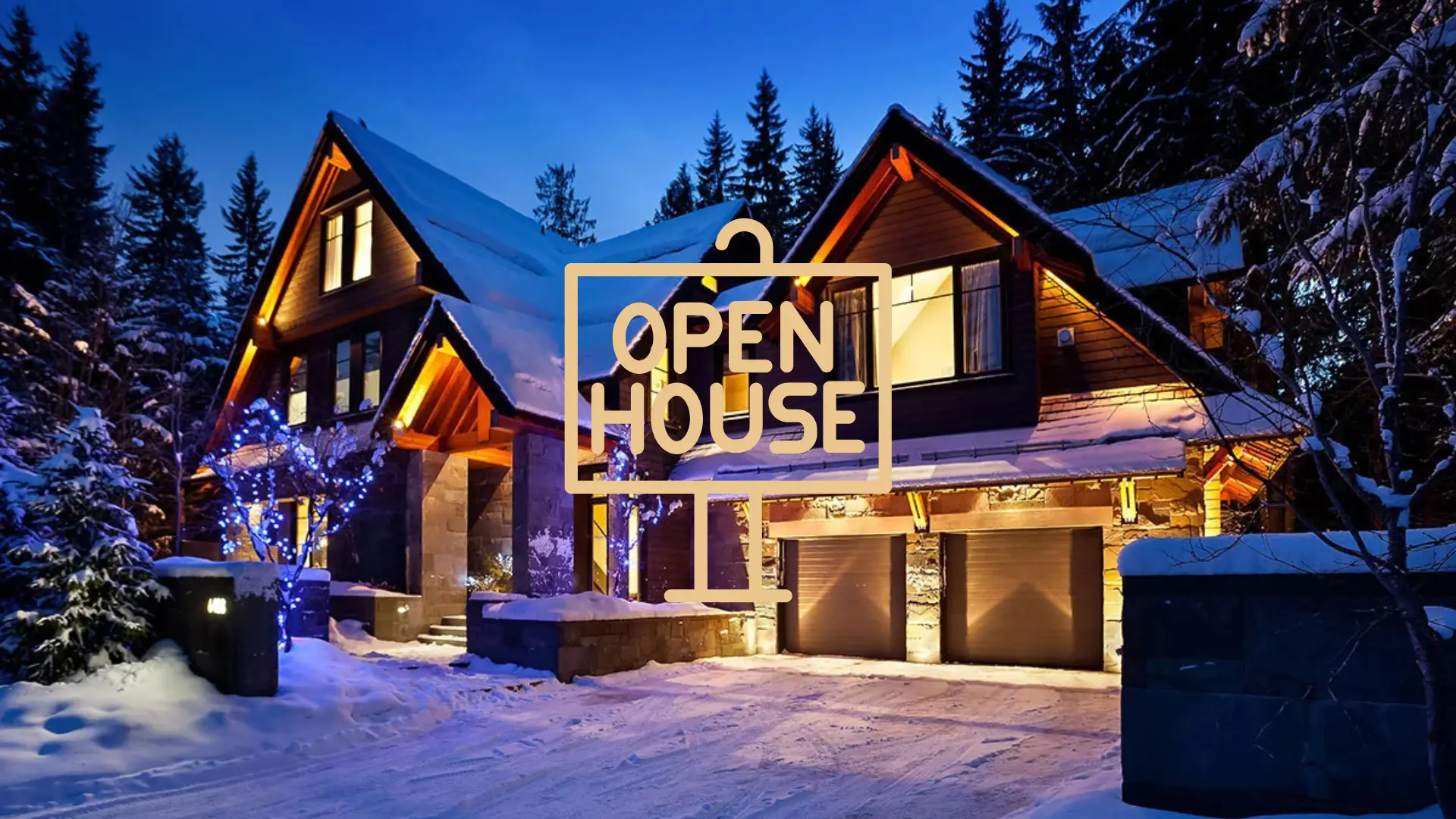
Whistler real estate listings often look perfect: polished photos, lifestyle marketing, and exciting prices. But the details that truly matter—zoning, bylaws, rental rules, and hidden costs—rarely make the headlines. Before booking a showing or writing an offer, you need to look closer. This guide shows you how.
Table of Contents
How Locals Scan Whistler Real Estate Listings Beyond the Photos
Locals know photos are just the starting point. The real work involves checking the property type, ownership structure, zoning, strata rules, and fees.
Whistler offers everything from vacation condos to detached chalets, and each has unique rules and costs. A Village condo operates very differently from an Alpine Meadows home, even at the same price point. Check our styles and areas guide to see what to expect from each property type.
Start With Location, But Read It Locally
When browsing Whistler real estate listings, the neighbourhood matters as much as the home itself. The Village and Upper Village offer walkability and strong rental appeal. The Benchlands is more residential but stays close to the action. Creekside is family-friendly with lower prices, while Alpine Meadows and Rainbow are local favourites. Blueberry Hill and Nicklaus North offer lake views and golfing.
Each area varies in noise, traffic, and parking. What works for an investor might not suit a full-time family. Discover more in our neighbourhood guide for families and family vacation home guide.
Check Access, Not Just Distance
“Minutes from the lifts” can mean a quick walk, a shuttle ride, or driving in ski boots. Check if the location is truly walkable year-round, has transit access, and includes parking. Winter conditions make car-dependent locations tricky.
Understand Zoning Before You Fall in Love
Zoning dictates property use, a crucial detail often buried in Whistler real estate listings. Whistler has three main categories: residential (no nightly rentals), tourist accommodation or TA (short-term rentals allowed), and employee-restricted (only for local workers/retirees).
Mistakes here are costly. Read our townhome zoning and rental rules guide to understand how categories like RT, RS1, and TA affect you.
Nightly Rental Permissions Are Not Automatic
“Rental potential” doesn’t guarantee you can rent nightly. Permissions depend on zoning, phase, and strata bylaws—which might require 30-day minimum stays. You also need a $250/year business licence, and starting May 1, 2025, provincial registration. Fines run up to $1,000 daily for unlicensed rentals, so verify first.
Phase I and Phase II Properties Need Extra Attention
Phase designations restrict property use. Phase I properties offer max flexibility: unlimited personal use and the ability to rent nightly. Phase II properties act like commercial hotel units: personal use is usually capped at 28 days per season, and you must use a managed rental pool. They are also taxed commercially. Always review title documents carefully.
Read Strata Details Like a Risk Checklist
While Whistler real estate listings might only highlight the monthly fee, strata documents are a risk checklist. Monthly fees cover insurance, exterior upkeep, snow removal, management, and reserve funds. However, inclusions vary wildly between buildings.
Strata Fees: Low Is Not Always Better
Strata fees range from $400 to over $1,500. Low fees can be a red flag for deferred maintenance or an underfunded contingency reserve. Without reserve savings, special assessments can reach $80,000 or more. Always check the depreciation report and reserve balances.
Bylaws Can Affect Daily Life and Rental Income
Strata bylaws control pets, noise, renovations, and rentals. Even with TA zoning, some bylaws restrict short-term rentals to 30-day minimums. Read them before you make an offer.
Spot Red Flags Hidden in Listing Language
Watch for phrases like “bring your ideas,” “as-is,” or “buyer to verify” hidden in Whistler real estate listings, which signal the need for strict due diligence. Vague investment terms missing specifics on zoning or rentals mean you should ask more questions.
Deferred Maintenance and Renovation Clues
Mountain homes endure harsh weather and heavy use. Aging roofs, windows, and heating systems are expensive to fix. “Recently updated” means little without dates and permits. Ask specifically about the roof and mechanical systems, and check our 2026 buying guide for priority inspections.
Pricing That Looks Too Good
Unusually low prices usually signal a catch. It might refer to a Whistler Housing Authority property restricted to locals, upcoming major repairs, high strata fees, or strict owner-use restrictions.
Look Closely at Hidden and Ongoing Costs
The purchase price shown on Whistler real estate listings is just the beginning. You must also budget for taxes, fees, insurance, snow removal, and maintenance.
BC’s Property Transfer Tax scales from 1% to 3% (plus an extra 2% for investments over $3 million). Legal fees add another $2,500–$3,000. Nightly rentals often require GST payments, and non-residents face a 25% withholding tax on rental income. Read our property tax overview and cottage economics guide for full details.
Special Levies and Contingency Reserve Funds
The contingency reserve is the strata’s emergency savings step. If it’s underfunded, owners face surprise special levies for major repairs. Always review strata minutes and the depreciation report before buying.
Insurance, Utilities, and Mountain-Climate Maintenance
Heavy snow and freeze-thaw cycles create constant maintenance. Roof checks, heating service, and exterior upkeep add up—especially with wear from rental guests. Budget realistically.
Match the Listing to Your Buyer Profile
Choose a home based on your intended use instead of just falling for the most attractive Whistler real estate listings. A profitable Phase II condo doesn’t work for someone wanting lots of personal time, while a quiet residential home won’t work for short-term rental investors.
For Vacation-Home Buyers
Prioritize lift access, easy maintenance, storage, and clear rules permitting short-term rentals when you aren’t using the home.
For Investors
Focus on local rental laws, management fees, and net—not gross—income. Fully calculate expenses before banking on a yield. Learn more in our vacation homes rules and management guide.
For Full-Time Residents
Prioritize community vibe, storage, schools, and pet policies over rental potential. Areas like White Gold and Brio offer great livability that photos often miss.
Verify the Details Before You Make an Offer
Never rely solely on descriptions found in Whistler real estate listings. Request documents like strata bylaws, meeting minutes, reserve balances (Form B), inspections, and zoning details before making an offer.
Questions to Ask Before Booking a Showing
Always ask your agent about:
- Phase and zoning designations
- Rental and pet rules
- Pending special levies
- What is included in the strata fee (e.g., parking, storage)
- Details and permits on recent repairs
- Potential GST application
Work With Local Guidance Before the Fine Print Gets Expensive
Whistler’s regulations differ significantly from standard BC rules, making local guidance crucial.
Andrew King and the Whistler Spaces team bring over 20 years of experience and $1.5 billion in transactions to the table. We help you cut through the marketing to understand reality. Connect with us before you buy in Whistler, Squamish, or Pemberton. The fine print is much easier to navigate with a local expert.