
See what a house in Whistler may cost each month. Review down payments, taxes, strata fees, insurance, maintenance, and closing cash before you make an offer.
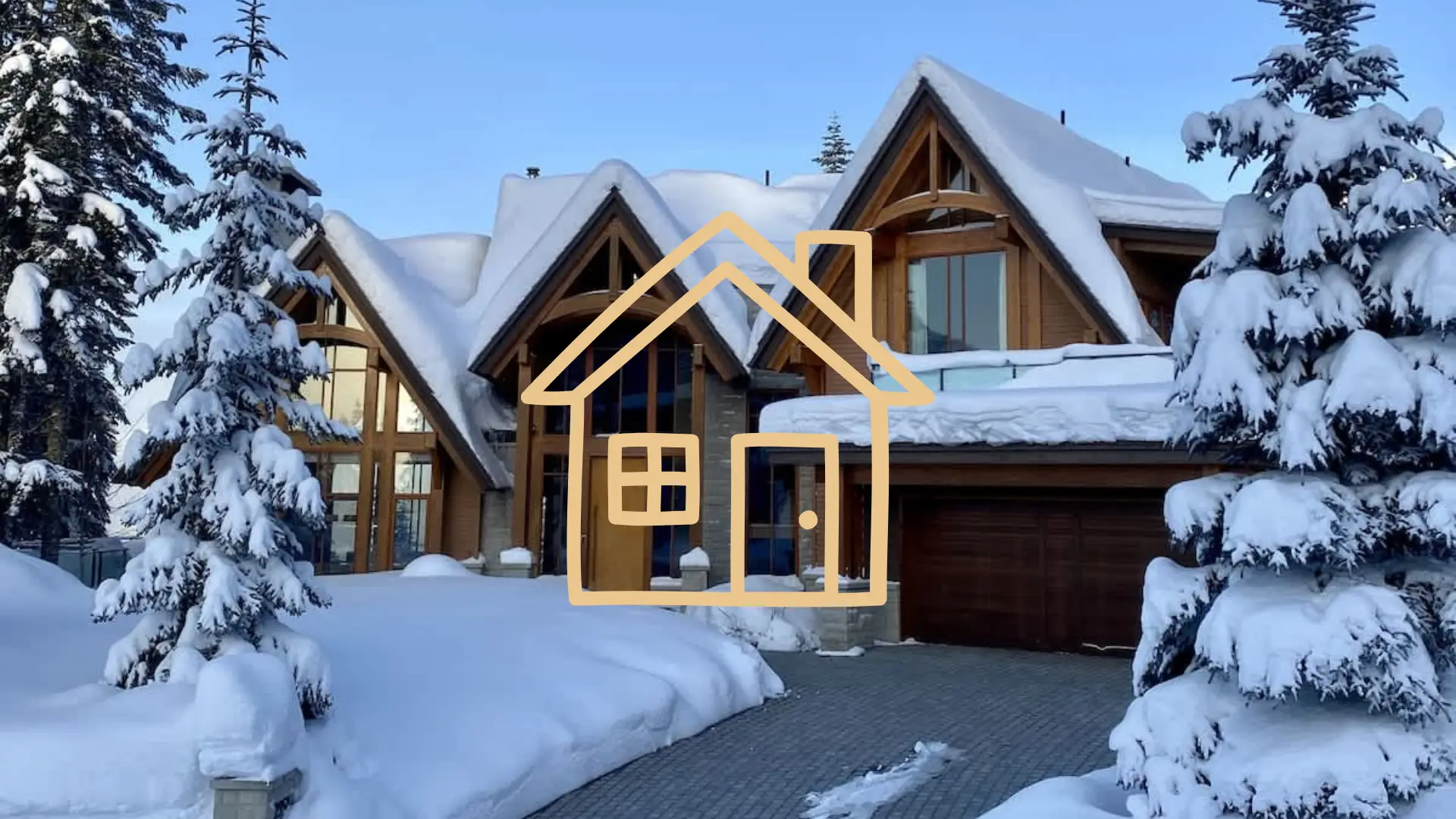
The listing price is only the starting point. When you’re thinking about buying a house in Whistler, the real question is what ownership actually costs each month and what you need in cash before you close. Mortgage payments matter, but so do property taxes, strata fees, insurance, maintenance, and closing costs. This post breaks all of that down so you can assess affordability with a clear head, not just a rough number in mind. Whether you’re a local buyer, a Canadian investor, or purchasing from abroad, Whistler Spaces works with buyers at every stage to make sure the numbers add up before you make an offer.
Table of Contents
Can You Afford a House in Whistler? Start With the Full Monthly Cost
Affordability isn’t just about qualifying for a mortgage. Your real monthly cost includes principal and interest, property taxes, insurance, utilities, maintenance, and strata fees if you’re buying a condo or townhome. Whistler’s property mix runs from detached chalets to ski-in/ski-out condos to townhomes, and each type carries a different cost structure. A condo might have lower maintenance demands but higher strata fees. A detached home skips the strata fees but puts all maintenance responsibility on you. Start with the full picture for any house in Whistler, not just the mortgage payment.
Down Payment Expectations in Whistler
Canada’s minimum down payment rules apply here, but resort financing often adds extra layers. For properties under $500,000, the minimum is 5%. For properties between $500,000 and $1.5 million, it’s 5% on the first $500,000 and 10% on the remainder. Properties priced at $1.5 million or more require at least 20% down. Since the median assessed value for a single-family home in Whistler sits at $2.834 million, most buyers looking for a house in Whistler are well into the 20% minimum territory before they even factor in investment or non-resident rules.
If you plan to rent the property or you’re buying as a non-resident, lenders typically require 35% to 50% down. Confirm your situation with a mortgage broker who understands resort-market lending before you start viewing properties seriously.
Minimum Down Payment Versus Competitive Down Payment
Meeting the minimum gets you in the door for a house in Whistler, but a larger down payment reduces your monthly mortgage cost, lowers your total interest paid, and can strengthen your offer in a competitive situation. In a market where well-priced properties move quickly, being able to demonstrate financial readiness matters. Buyers who stretch to the minimum often find their monthly carrying costs harder to manage once taxes, fees, and maintenance are added in.
Why Pre-Approval Matters Before Viewing Properties
Pre-approval tells you exactly what you can borrow, at what rate, and what your estimated monthly payment looks like. Without it, you’re guessing. It also puts you in a stronger position when you make an offer. Skipping pre-approval is one of the most common buyer mistakes in this market. Whistler Spaces can help align your property search across Whistler, Squamish, and Pemberton with realistic financing ranges so you’re not falling for properties outside your reach.
Monthly Mortgage Examples: How the Numbers Can Change
These are illustrative estimates only, not lender quotes. Actual payments depend on your rate, amortization, lender, and financial profile. That said, rough examples help frame the decision.
Example Scenario for a Condo or Townhome Buyer
Say you’re buying a condo at $900,000 with 20% down ($180,000). Your mortgage is $720,000. At a five-year fixed rate of around 4%, on a 25-year amortization, your monthly principal and interest payment is roughly $3,780. But that’s not your total cost. Add strata fees, which typically run $0.50 to $0.90 per square foot monthly in Whistler, property taxes, insurance, and utilities. For a 700 sq ft unit, strata fees alone could add $350 to $630 per month. Your real monthly cost is likely $4,500 to $5,500 or more before you’ve touched a utility bill.
Example Scenario for a Detached Home Buyer
A detached house in Whistler, located in a neighbourhood like Alpine Meadows or Emerald Estates, typically starts around $1.5 million. With 20% down ($300,000), your mortgage is $1.2 million. At 4%, over 25 years, that’s roughly $6,300 per month in principal and interest. No strata fees, but you’re responsible for all maintenance, snow removal, heating, and repairs. Budget 1% to 2% of property value annually for upkeep. On a $1.5 million home, that’s $15,000 to $30,000 per year, or $1,250 to $2,500 per month averaged out.
Fixed Versus Variable Mortgage Payments
Fixed rates give you payment predictability for the term. Variable rates may start lower but can shift with the Bank of Canada’s policy rate. As of mid-2026, the best five-year fixed high-ratio rate sits around 4.04%, with variable rates closer to 3.35%. Which works better for you depends on your risk tolerance and cash flow. Talk to a licensed mortgage professional before deciding.
Property Taxes: A Key Annual Cost to Budget For
Property taxes in BC are based on your property’s assessed value and the local mill rate. Whistler’s residential rate sits at approximately $2.50 per $1,000 of assessed value. A $1 million condo pays around $1,495 per year. A home assessed at $4 million pays roughly $5,981. Divide your expected annual tax bill by 12 to understand the monthly impact of owning a house in Whistler. That $4 million home adds about $500 per month to your carrying costs before anything else. Note that Whistler’s 2026 residential tax rate increased approximately 6.7% to 6.9%, so confirm current figures before finalising your budget.
How Property Taxes Affect Monthly Affordability
Primary residences may qualify for the Home Owner Grant, which reduces your annual bill by up to $570 ($845 for seniors). Vacation homes don’t qualify. Investment properties face standard rates plus income tax on rental earnings. Factor the grant into your numbers only if you’re making the property your principal residence.
Strata Fees: What Condo and Townhome Buyers Should Know
Strata fees cover shared building costs: insurance on the structure, maintenance, landscaping, snow removal, amenities, and contributions to the contingency reserve fund. In Whistler, Village strata fees typically run $400 to $800 per month, though amenity-rich buildings can go higher. Higher fees aren’t automatically a problem if they reflect a well-funded reserve and strong building management. But low fees can signal an underfunded reserve, which can mean a large special assessment after you close.
What to Review Before Buying a Strata Property
Before removing subjects, review the strata minutes, bylaws, depreciation report, contingency reserve fund balance, building insurance certificate, and any outstanding or pending special levies. These documents tell you whether the building is financially healthy and whether there are any restrictions that affect how you can use the property.
Short-Term Rental Rules and Strata Restrictions
Not every Whistler property can be rented nightly. The municipality operates a zoning-based system where Phase 1 and Phase 2 designations govern short-term rental eligibility. Strata bylaws can add further restrictions on top of that. If rental income is part of your affordability plan, confirm the zoning and strata rules before you make an offer, not after.
Insurance Costs in a Resort Market
Mountain properties carry higher insurance costs than standard urban homes. Buyers of a detached house in Whistler need full homeowner coverage. Strata unit owners need contents and liability insurance, but should also understand what the strata’s building policy covers and where their personal policy needs to fill gaps. Vacation use and rental use can both affect your premium and coverage requirements.
Insurance for Investment or Vacation Properties
Rental properties and vacation homes often require specific policy types that differ from standard homeowner coverage. Confirm with an insurance provider before you remove subjects so you know the expected cost and have no surprises at closing.
Closing Costs: The Cash You Need Beyond the Down Payment
Budget an additional 7% to 10% of the purchase price for closing costs on top of your down payment. The biggest single item is usually the Property Transfer Tax. Other costs include legal or notary fees, home inspection, appraisal, title insurance, and adjustments for prepaid property taxes or strata fees. On new builds purchased directly from a developer, GST of 5% also applies.
Property Transfer Tax in British Columbia
BC’s Property Transfer Tax is calculated at 1% on the first $200,000, 2% on the portion between $200,000 and $2 million, and 3% above that. Properties over $3 million attract an additional 2% on the amount above $3 million. On a $4 million property, that’s roughly $118,000 in PTT alone. First-time buyers may qualify for a full exemption on properties under $500,000, but most Whistler purchases sit well above that threshold.
Legal Fees, Inspections, and Adjustments
Legal or notary fees typically run $1,000 to $2,000. A home inspection costs $400 to $800. An appraisal, if required by your lender, adds another $300 to $450. At closing, you’ll also see adjustments for any property taxes or strata fees the seller has prepaid beyond the completion date. These are smaller line items individually, but they add up.
How to Build a Realistic Whistler Homebuying Budget
Build two budgets: upfront cash and ongoing monthly costs. Upfront includes your down payment, all closing costs, and an emergency reserve. Monthly includes your mortgage payment, property taxes, strata fees if applicable, insurance, utilities, and maintenance for your house in Whistler. If you plan to rent the property, factor in management fees of roughly 25% to 30% of rental income and any applicable taxes on that income.
Plan for Maintenance and Seasonal Costs
Mountain living comes with real maintenance demands. Snow removal, heating, roof inspections, exterior repairs, and HVAC servicing all add up. Setting aside 1% to 2% of your property value annually is a reasonable starting point. Strata properties offload some of this to the building, but detached homeowners carry it all directly.
Consider Nearby Markets If the Numbers Are Tight
Squamish and Pemberton both offer access to the Sea to Sky corridor at lower price points. Pemberton’s single-family home median sits around $1.4 million, and Squamish is comparable, compared to Whistler’s $2.8 million median assessed value for detached homes. Whistler Spaces works across all three markets, so if the Whistler numbers are a stretch, there may be a better fit nearby.
When Professional Guidance Can Save You Money and Stress
An experienced local advisor helps you compare properties on total ownership cost, not just listing price. Andrew King has over 20 years of real estate experience and more than $1.5 billion in transactions across Whistler, Squamish, and Pemberton. He works with local buyers, Canadian investors, and international clients, and understands the financing, tax, and zoning nuances that can trip up buyers who aren’t prepared.
Questions to Ask Before Making an Offer
- What are the total monthly carrying costs, including taxes, strata fees, insurance, and utilities?
- What does the strata’s depreciation report say about upcoming capital work?
- Is the property zoned for short-term rental use?
- What has the property’s insurance history looked like?
- How does this property fit into my long-term financial plan?
Your Next Step Toward Confident Whistler Ownership
Affordability for a house in Whistler comes down to more than the mortgage. Down payment, closing costs, property taxes, strata fees, insurance, and maintenance all shape what ownership actually costs. Get those numbers clear before you fall for a listing. Reach out to Andrew King at Whistler Spaces for a straightforward breakdown of what ownership will cost based on your budget, property type, and goals. That’s the conversation worth having before you make an offer.