
Check pricing, location, condition, strata rules, zoning, rental income, financing, and ownership costs so your Whistler property purchase reflects the facts.
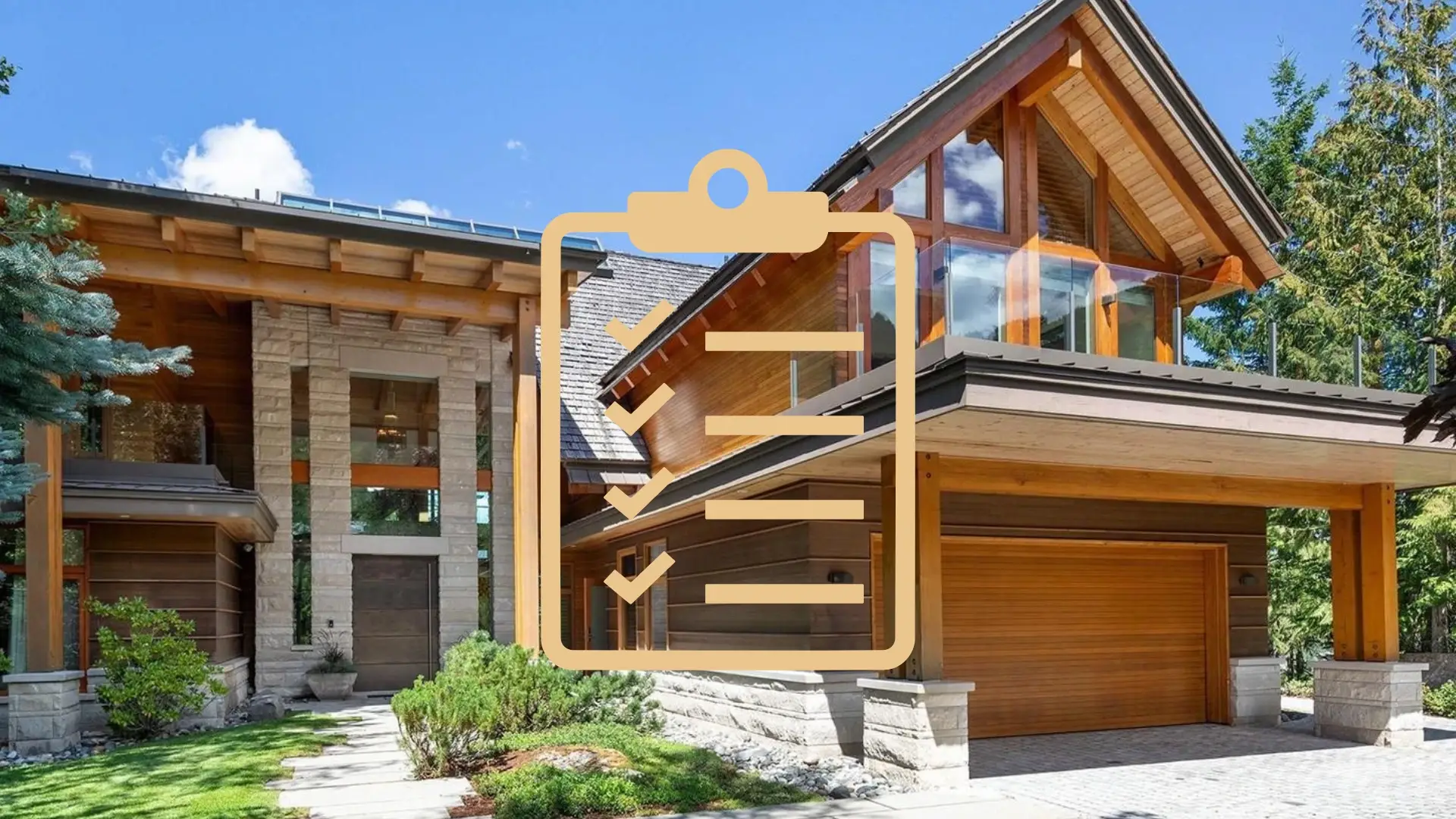
A great view sells itself. But a great view can also hide a leaky roof, a restrictive rental covenant, or a strata fund running on empty. In a resort market like Whistler, a rushed offer on a Whistler property often leads to expensive surprises.
The quality of your offer depends on how well you understand value, risk, usage rules, and the true cost of ownership. This guide walks you through location, pricing, condition, strata, rental potential, zoning, financing, and due diligence. And because Whistler runs on rules that differ from standard residential markets, local guidance matters more here than almost anywhere else.
Table of Contents
What Should You Clarify Before Evaluating a Whistler Property?
Before evaluating a Whistler property, clarify how you plan to use it, how long you expect to hold it, and what financial return or lifestyle value you need from the purchase. Your answers shape everything: budget, neighbourhood, financing, and which rules matter most. Sort this out before you fall for a listing.
Ownership purpose
Your goal drives the whole evaluation. A ski investor’s ideal condo can be a poor fit for a year-round family, and a quiet street perfect for a remote worker may generate zero rental income.
- Full-time living: groceries, schools, quiet streets, and community feel.
- Part-time or weekend use: lock-and-leave convenience and lift access.
- Short-term rental: occupancy rates and legal nightly-rental zoning.
- Long-term rental or staff housing: steady tenancy and lower turnover.
Our vacation-home guide puts it simply: define your objective as personal use, rental income, or a hybrid before you view listings.
Budget and carrying costs
The sticker price is only the start. Get a clear picture of what you can spend on everything that follows the purchase.
- Mortgage payments and Property Transfer Tax
- Strata fees, which range from $400 to over $1,500 monthly
- Insurance, utilities, and higher mountain heating costs
- Maintenance, furnishings, and management fees
Non-negotiables and trade-offs
Decide your must-haves before emotions take over. Many Whistler features are trade-offs, not free upgrades.
- Ski-in/ski-out access, which commands 15 to 30% more than comparable units
- Parking, gear storage, and reliable snow clearing
- Pet rules, views, and walkability
- Rental permissions and your tolerance for renovation
How Do You Know If a Whistler Property Is Priced Fairly?
A Whistler property is priced fairly when its asking price aligns with recent comparable sales, current competition, condition, location, rental potential, and the direction of the local market. Price alone tells you nothing without context. Whistler’s micro-markets vary sharply from one building to the next.
Comparable recent sales
Sold prices matter more than asking prices. Compare similar size, property type, age, location, condition, views, amenities, and rental permissions. As of mid-2026, Whistler sits in a buyer-favourable market, with detached homes averaging around 85 days on market.
Current listing competition
Active inventory shapes your offer strategy. Check competing listings, seller motivation, and whether similar homes sit or sell fast. A price cut can signal a rare buyer’s market or a deeper issue with the property, so ask which one it is.
Micro-location premiums
Broad Whistler averages hide big gaps. Whistler Village condos deliver year-round rental demand but carry noise and higher fees. Creekside blends history with gondola access, Benchlands sits near the upper lifts, and Alpine Meadows and Nordic suit residents who want space and transit. Compare neighbourhoods, don’t average them.
What Should You Look for in the Location and Neighbourhood?
Evaluate a location based on access, convenience, lifestyle fit, rental appeal, privacy, noise, exposure, and how the area performs across both peak and shoulder seasons. A great location depends entirely on your use case.
Access and daily convenience
Look past the postcard to how you’ll actually live. Check commute routes, transit, village access, parking, and snow clearing. Confirm the location is walkable year-round, since winter conditions make car-dependent spots tricky.
Seasonal experience
Whistler feels different across the year. Ski-in locations matter most during peak season when lift lines form early, while lakefront homes shine in summer. Factor in festival crowds, quiet shoulder seasons, and how each affects your enjoyment or rental income.
Resale and rental appeal
Location determines future demand. Trail access, views, lift proximity, and easy transportation appeal to both future buyers and guests. These features hold value when the market softens.
How Do You Assess Condition, Maintenance, and Future Repairs for a Whistler Property?
Assess condition by reviewing visible wear, major systems, building age, maintenance history, renovation quality, and likely repair costs before you finalize your offer. Mountain properties need more thorough inspection than typical homes.
Interior and exterior condition
During showings, check flooring, walls, bathrooms, kitchens, windows, decks, and cladding. Whistler homes face heavy snow loads, moisture, and freeze-thaw cycles, so look for drainage problems, mould, and signs of exterior wear.
Major systems and safety items
Aging roofs, windows, and heating systems are costly to fix. Ask specifically about the roof, attic, heating, electrical, plumbing, ventilation, and fireplaces. Request radon testing and find out when pressure washing and staining were last done.
Renovation scope and timing
Separate cosmetic work from structural work. In Whistler, renovations often need building permits and strata approval, and contractor availability plus seasonal timing affect your costs. Treat vague “recently updated” language as a question, not an answer.
What Should You Review in the Strata Documents?
Review strata documents for any Whistler property to understand rules, financial health, upcoming repairs, insurance obligations, rental restrictions, and any issue that could affect ownership or resale. Treat these papers as a risk checklist, not paperwork.
Bylaws and use restrictions
Bylaws control rentals, pets, noise, renovations, parking, and storage. Even with tourist accommodation zoning, some bylaws restrict short-term rentals to 30-day minimums. Read them before you offer.
Financial health
Low strata fees can be a red flag for deferred maintenance or an underfunded reserve. Without reserve savings, special assessments can reach $80,000 or more. Check the depreciation report and reserve balances, and treat a fund below 50% funded as a warning sign.
Minutes and reports
Never rely on the listing alone. Request bylaws, meeting minutes, reserve balances (Form B), engineering reports, and depreciation reports before you remove subjects. Recurring complaints in the minutes often reveal what photos hide.
How Do Rental Rules and Zoning Affect Your Offer?
Rental rules and zoning determine how a Whistler property can be used, whether it can generate income, and how attractive it will be to future buyers. Get these wrong and your whole plan collapses. Verify before you rely on any projected income.
Permitted use
Whistler has three main categories: residential (no nightly rentals), tourist accommodation (short-term rentals allowed), and employee-restricted (locals only). Within tourist accommodation, Phase 1 covenants allow flexible owner use plus nightly rentals, while Phase 2 limits personal use to about 56 days a year and keeps the unit in a rental pool otherwise.
Income expectations
Be realistic. “Rental potential” doesn’t guarantee you can rent nightly. Factor in seasonal occupancy, management fees of 20% to 50%, cleaning, repairs, taxes, and the owner-use days you give up.
Verification before offering
Confirm zoning and covenants through the municipality’s property tools and a title search. Legal nightly rentals also require an RMOW business licence and provincial registration, and illegal operation can bring fines of up to $3,000 per day.
What Financial Details Should You Confirm Before Making an Offer on a Whistler Property?
Confirm financing, taxes, closing costs, insurance, strata fees, maintenance, and rental-related expenses before you offer. Knowing your real numbers protects you from overextending.
Financing readiness
Get pre-approval before you view homes. It tells you what you can spend and strengthens your position. Resort financing works differently, with some lenders requiring 30% down and non-residents typically needing 35%.
Closing costs and taxes
Property Transfer Tax runs 1% on the first $200,000, 2% up to $2 million, and 3% above that. Budget for GST where it applies, legal fees, and adjustments. Whistler sits in the Squamish-Lillooet Regional District, which is exempt from BC’s 20% foreign buyer tax and speculation tax, but confirm your position with a tax professional.
Ongoing ownership costs
Budget for insurance, strata fees, utilities, repairs, snow clearing, furnishings, and management. A $4 million single-family home paid roughly $5,981 in 2025 property tax, while a $1 million condo paid about $1,495. Keep a contingency buffer for the unexpected.
What Conditions Should You Consider Including in Your Offer?
Common offer conditions include financing, inspection, strata document review, title review, insurance confirmation, and verification of any rental or zoning assumptions. Balance protection against competitiveness based on the market.
Buyer protection
Conditions reduce risk and buy you time for professional review. They let you confirm assumptions about condition, strata health, and rental rights before you commit fully to a Whistler property.
Competitive positioning
Conditions should be strategic, not automatic. In a slower market you often have room for full due diligence. When homes move fast, clean offers and tight timelines matter, so lean on local advice to strike the balance.
Professional review
Bring in the right people before you remove conditions: a real estate advisor, home inspector, mortgage broker, lawyer or notary, accountant, and insurance provider. Each catches a different risk.
How Can Local Expertise Help You Evaluate the Right Property?
Local expertise helps you interpret pricing, rules, neighbourhood differences, rental potential, and negotiation strategy more accurately than listing details alone can. Whistler operates under regulations that trip up even experienced agents from outside the corridor.
Neighbourhood-level insight
A local advisor reads building reputation, strata history, location nuances, and resale factors that never appear in a listing. That context tells you which buildings appreciate and which carry hidden risk.
Offer strategy
A strong offer balances price, dates, deposits, and conditions against seller priorities and market context. A good agent uses comparable sales data, accounts for seasonal shifts, and knows how to handle multiple-offer situations.
Support for diverse buyers
Andrew King at Whistler Spaces brings over two decades of experience and more than $1.5 billion in completed transactions across Whistler, Squamish, and Pemberton. That depth helps local buyers, vacation-home seekers, investors, relocating families, and international purchasers who need extra guidance with remote showings and closing.
Frequently Asked Questions
Is Whistler a good place to buy a vacation home?
Whistler can be an excellent vacation-home market for buyers who value year-round recreation, strong lifestyle appeal, and long-term ownership. With roughly 3 million visitors a year, it also offers real rental income potential. The right fit depends on your budget, usage plans, and the property’s rules.
How long does it usually take to buy a home in Whistler?
Timelines vary with financing, property type, due diligence, and negotiation, but closing usually takes 30 to 60 days once you find the right place. Prepared buyers with pre-approval and clear goals move more confidently when a strong listing appears.
Can international buyers purchase in Whistler?
Yes, Whistler is exempt from Canada’s federal foreign buyer ban, and non-residents pay the same taxes as Canadian buyers here. Still, financing and eligibility rules can change, so confirm current federal, provincial, and local rules with a BC real estate lawyer and tax professional before you act.
Should I buy in Whistler, Squamish, or Pemberton?
The best location depends on lifestyle, budget, commute needs, and investment goals. Squamish and Pemberton often offer more space and lower prices, while Whistler delivers direct resort access and global rental demand.
Make Your Offer With Confidence
Evaluating a Whistler property well means working through your goals, location, pricing, condition, strata, zoning, finances, and offer conditions before you commit. Skip these steps and you inherit the surprises. Do the work and you offer from a position of strength.
When the right listing appears, you’ll want someone who reads the fine print with you. Connect with Whistler Spaces for personalized guidance on buying in Whistler, Squamish, or Pemberton.