
Check zoning, strata bylaws, Phase 1 and 2 terms, licences, taxes, and rental limits before you count on income from your Whistler property purchase decision.
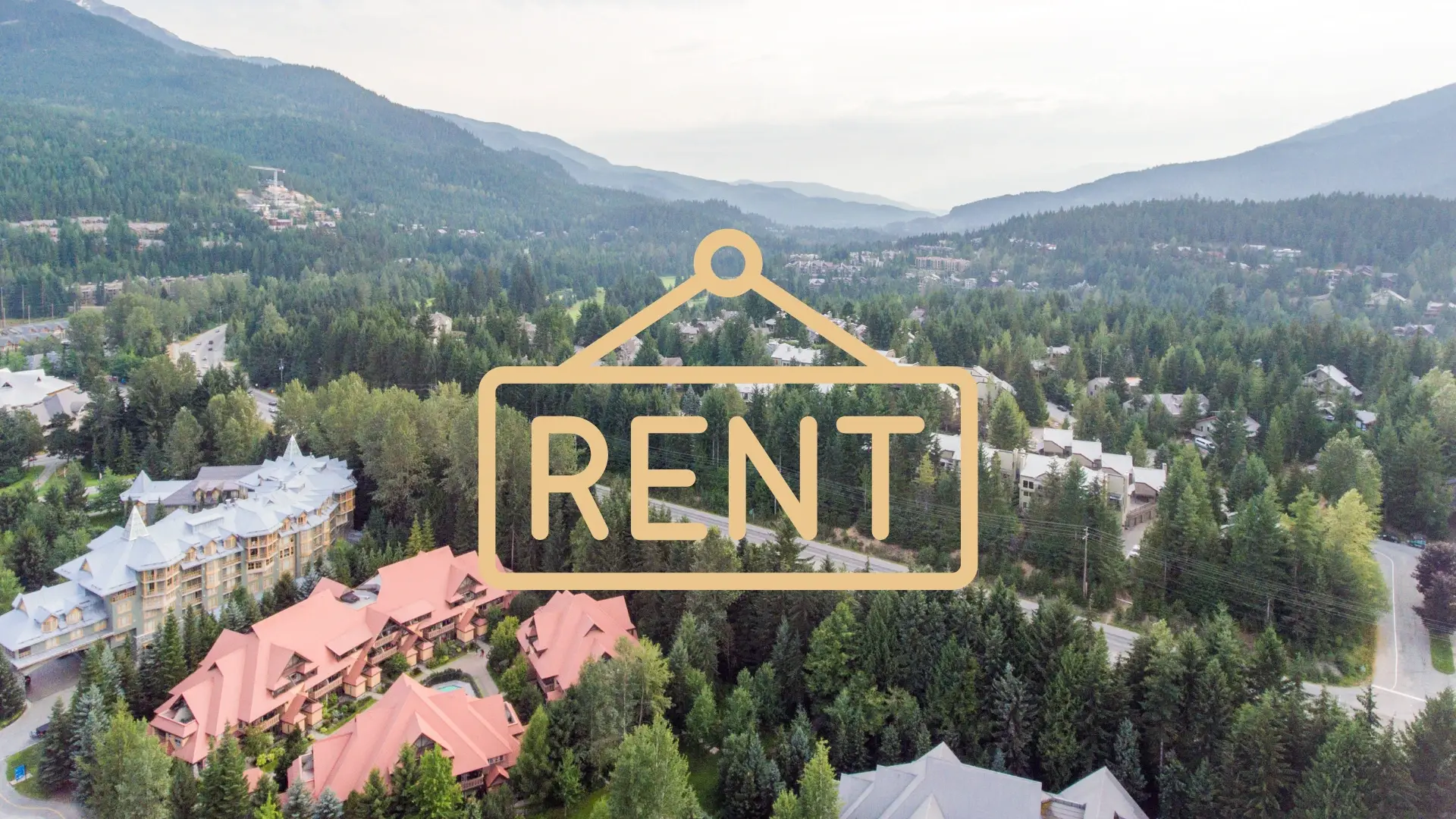
A Whistler property can look like a perfect vacation rental on paper and still be illegal to rent nightly. The listing photos, the location, the marketing language: none of it tells you what you can actually do with the Whistler property.
Rental rules in Whistler decide whether your Whistler property pays off or turns into a costly mistake. Get the zoning, strata bylaws, licences, and tax obligations right and you set up steady returns. Miss them and you face fines, lost income, or a property you can’t use the way you planned.
This article walks through short-term and long-term rentals, Phase 1 and Phase 2 properties, due diligence, and when to bring in local help from Whistler Spaces.
Table of Contents
Can You Rent Out Your Whistler Property?
You can rent out a Whistler property only if its zoning, strata rules, licence requirements, and any title or covenant restrictions allow the type of rental you plan to offer. Some properties permit nightly stays. Some allow long-term tenants only. And some carry owner-use limits or covenants that restrict rental entirely.
Rental permission depends on a stack of rules: municipal zoning, property phase, strata bylaws, licences, and provincial and federal requirements. As we explain in our guide to Whistler town homes, two properties can look almost identical on paper and perform completely differently as rentals.
Never assume rental flexibility based on location or listing appeal alone. Confirm the rules first.
What Rental Zoning Should Buyers Check First?
Buyers should first check whether the zoning of the Whistler property permits tourist accommodation, because zoning usually determines whether short-term rentals are allowed. Nightly rentals need tourist accommodation zoning. Residential zoning does not permit them.
The Resort Municipality of Whistler is clear on this. If your Whistler property has residential zoning, you can’t provide tourist accommodation for any length of time. Review zoning, title documents, and municipal rules before you make an offer.
Tourist accommodation zoning
Tourist accommodation (TA) zoning allows properties to operate as nightly vacation rentals with proper licensing. But zoning alone isn’t the finish line. You still need a business licence, tax registration, and compliance with strata or management rules before you can legally take bookings.
Residential zoning
Residential zoning may allow owner occupancy and long-term tenancy, but not nightly stays. Residential-zoned properties in Whistler cannot be used for short-term rentals under any circumstances.
If you want rental income, separate the two paths. A residential property can work as a long-term rental. It can’t work as a vacation rental.
Title restrictions and covenants
Zoning isn’t the only legal control. Title searches can reveal registered covenants, easements, and housing agreements that limit occupancy, rental use, resale, or who can even own the property.
Whistler Housing Authority (WHA) homes are a clear example. These carry covenants that require the Whistler property to be your primary residence. You can’t use them as vacation homes, rental properties, or investment holdings. Read more in our breakdown of WHA resale rules.
How Do Phase 1 and Phase 2 Whistler Properties Affect Rental Use?
Phase 1 and Phase 2 properties may permit short-term rentals, but they often come with specific limits on owner use, rental availability, and management obligations. These are covenants registered on title, layered on top of zoning. Rules vary by building, so review the actual documents.
Phase 1 ownership basics
Phase 1 properties offer flexible use. Owners can occupy the Whistler property year-round, rent it nightly or monthly, and choose their own property manager or list on Airbnb themselves. That flexibility appeals to buyers who want personal use alongside rental income. See our Whistler real estate page for how these categories work.
Phase 2 ownership basics
Phase 2 properties function mainly as investments. These hotel-condo units maximize rental income but limit personal use. When not occupied by the owner, the unit must stay in a rental pool managed through the hotel’s front desk. They suit buyers who prioritise managed rental income over personal occupancy.
Owner-use limits
Phase 2 covenants cap personal use at 56 days per year: 28 in summer and 28 in winter. Confirm how many days you can use the Whistler property, whether peak-season access is limited, and how booking works. This single detail shapes whether the property fits your lifestyle.
What Licences and Taxes Apply to Short-Term Rentals?
Short-term rentals usually require municipal and provincial compliance steps, plus proper collection, remittance, and reporting of accommodation and income taxes. Skipping these steps risks penalties. Whistler can levy fines up to $3,000 per day for operating without proper licensing.
Municipal business licence
Whistler has required business licences for tourist accommodation since 2017. The municipal licence costs $250 annually, and hosts must display a valid licence number on listings. Confirm the Whistler property qualifies before you advertise.
Provincial registration and platform rules
British Columbia’s short-term rental rules took effect May 1, 2024. All Whistler hosts must register under BC’s short-term rental registry and display the registration number on listings like Airbnb and VRBO. The registry costs $100 per year if you live in the Whistler property, or $450 if you don’t. Check current requirements at the time of purchase.
Sales, accommodation, and income taxes
Guests pay layered taxes: 5% federal GST, 8% provincial PST, and up to 3% Municipal and Regional District Tax. On top of that, you report rental income and pay income tax on net profit. Once your rental income exceeds $30,000 annually, you must register for GST and collect it from guests.
Talk to an accountant, especially if you’re an international buyer or use the Whistler property partly for yourself. Tax treatment depends on ownership structure, rental frequency, and your residency.
How Can Strata Bylaws Limit Your Rental Plans?
Strata bylaws can limit rental duration, guest conduct, occupancy, and operating procedures, so review them before you rely on rental income. Even where zoning allows nightly rentals, strata rules can override your plans.
Short-term rental restrictions
Some strata corporations prohibit short-term stays entirely. Others limit rentals to minimum 30-day stays, which directly affects income potential. And some buildings are designed around managed rentals. Read the rental bylaws before you assume anything.
Guest and owner responsibilities
Strata bylaws cover practical operating rules: noise limits, garbage handling, parking allowances, hot tub use, ski storage, and check-in procedures. Bylaw breaches can trigger fines. As an owner, you must use the Whistler property in line with the bylaws and pass those rules to your guests.
Special levies and maintenance planning
Strata fees, reserve fund planning, insurance deductibles, and special levies all affect your net returns. Review the strata’s bylaws, meeting minutes, and depreciation report before purchase. A large upcoming levy can wipe out a year of rental profit.
Can You Rent Your Whistler Property Long-Term Instead of Nightly?
Yes, many owners can rent long-term where short-term rentals aren’t permitted, but they must follow tenancy laws and any strata or title restrictions. Residential zoning allows monthly tenancy with a minimum of 30 days under the Residential Tenancy Act. Anything less requires tourist accommodation zoning.
Long-term rental advantages
Long-term rentals suit owners who want steadier income and less work. Demand stays strong thanks to Whistler’s year-round workforce. Two-bedroom long-term leases in Whistler averaged $3,450 in September 2025, up 4% year over year. Benefits include:
- More predictable monthly income
- Less guest turnover
- Fewer furnishing and cleaning demands
- Minimal management compared with nightly rentals
Long-term rental trade-offs
Steady income comes with limits. You lose personal vacation access, you must follow tenancy notice rules, and annual returns are typically lower than successful short-term operations. You commit the Whistler property to a tenant, not to yourself.
Furnished versus unfurnished rentals
Furnished rentals appeal to seasonal workers and temporary residents. Unfurnished rentals tend to attract longer-term tenants who bring their own belongings. Pick based on the tenant profile you want and how much setup you’re willing to handle.
What Should Buyers Confirm Before Making an Offer?
Buyers should confirm all legal, financial, and operational rental conditions before removing subjects or making a firm commitment. Don’t rely on income projections until you’ve checked the rules.
Zoning and permitted use
Confirm the permitted rental type, minimum stay rules, and whether tourist accommodation is allowed. This is the first legal check, and it decides which income strategy is even possible.
Strata documents and meeting minutes
Look through rental bylaws, fines, complaints, upcoming repairs, insurance issues, and any discussion of rental restrictions. Meeting minutes often reveal problems that never show up in a listing.
Financial assumptions
Build a realistic budget. Account for vacancy, cleaning, management fees, repairs, utilities, strata fees, insurance, taxes, financing, and the weeks you plan to use the Whistler property yourself.
Professional advice
Bring in the right experts: a local real estate advisor, a lawyer or notary, an accountant, a mortgage broker, and an insurance provider. Each one catches issues the others might miss.
How Do Property Management Agreements Work?
Property management agreements set out who markets the rental, handles guests, manages maintenance, collects revenue, and controls owner-use bookings. Read them carefully, because the terms shape both your income and your access.
Self-management
Self-management gives you more control and lower fees. But it demands your time for guest communication, compliance, cleaning coordination, and emergency response. That’s harder if you live far from Whistler.
Professional management
Professional managers handle guest services, maintenance coordination, reporting, and regulatory compliance. Fees usually run 25 to 30%, and hidden charges for cleaning or guest services can erode margins. Get a full breakdown of every fee before you sign. Our property management guide covers what to watch for.
Mandatory rental pools
Some buildings require participation in a rental pool. Phase 2 units must stay in the pool when not in owner use, and revenue is shared based on your unit’s entitlement. That structure affects both your income distribution and your personal access.
How Can International Buyers Approach Rental Rules?
International buyers should review rental rules alongside tax, financing, ownership, and property management requirements before purchasing. Whistler carries resort-specific zoning, strata rules, and rental designations that don’t exist in most other markets.
Tax and reporting considerations
Non-residents face a 25% withholding tax on gross rental income by default. You can recover much of it by filing a non-resident return under Section 216 and paying tax on net income instead. Work with an accountant so you don’t miss filing deadlines. Our guide to buying Whistler property as a foreigner covers this in detail.
Remote ownership planning
Managing from abroad means leaning on local support for maintenance, inspections, insurance, and guest communications. Professional management often outperforms self-management here, and a local manager keeps your rental compliant with Whistler and provincial rules.
Local guidance for non-local buyers
Andrew King brings over two decades of experience and $1.5 billion in transactions to the Sea-to-Sky market. Whistler Spaces helps international and out-of-province buyers compare properties against their lifestyle goals, rental plans, and investment priorities before they start viewing.
Frequently Asked Questions
Do I need a separate insurance policy for rentals?
Confirm that your policy covers the intended rental use. Standard owner-occupied or vacation-home coverage may not be enough for nightly or long-term tenants, and gaps can leave you exposed to costly claims.
Can I advertise my unit before getting approvals?
No. Don’t advertise or accept bookings until you confirm zoning, strata permission, licensing, provincial registration, and tax requirements. Operating without proper licensing can bring fines up to $3,000 per day.
Are rental income projections guaranteed?
No. Projections are estimates only. Actual returns vary with seasonality, nightly rates, occupancy, fees, regulations, and property condition.
Can rental rules change after I buy?
Yes. Municipal rules, provincial rules, tax rules, and strata bylaws can all change over time. Plan with flexibility so a rule shift doesn’t undermine your strategy.
Is Squamish or Pemberton different from Whistler?
Yes. Each community has its own zoning, market conditions, and rental rules. Evaluate the exact municipality and property, since Squamish and Pemberton work differently from Whistler’s tourism-driven market. See our Squamish versus Whistler comparison.
Turn Rental Rules Into a Smarter Purchase Plan
Rental potential comes down to legal permission, ownership structure, strata rules, taxes, and management. A Whistler property that looks perfect in a listing only works as an investment when the rules line up with your plan.
The right Whistler property depends on what you want: personal use, income, flexibility, or long-term value. Confirm zoning, covenants, and strata rules before you rely on any income projection.
Ready to find a property that works the way you intend? Contact Whistler Spaces for personalised guidance on Whistler, Squamish, and Pemberton real estate, backed by Andrew King’s local expertise and transaction experience.